







Search Results for: extraction observation
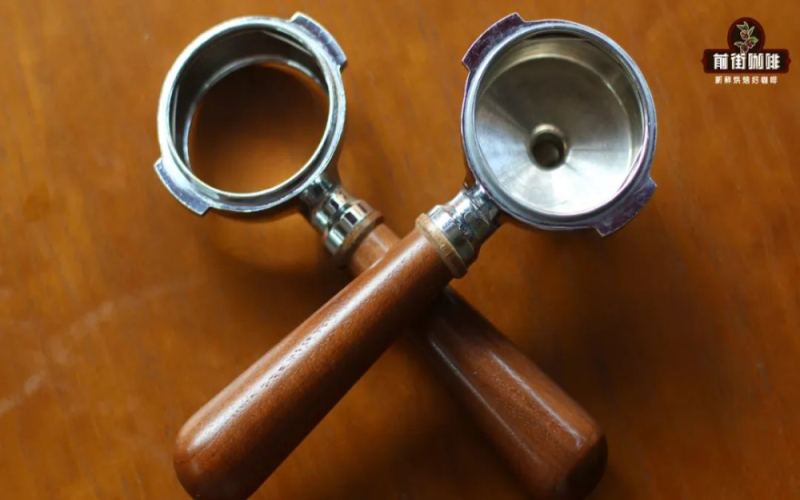
Analysis of the Differences Between Bottomed and Bottomless Portafilters for Espresso Machines | A Full Comparison of Features and Pros and Cons
In the operation of a semi-automatic espresso machine, the portafilter is an indispensable core accessory, and the common types on the market are mainly divided into two major categories: bottomed split portafilters and bottomless straight-through portafilters. Front Street stores use bottomless portafilters for their daily output. What advantages and disadvantages do these two types of portafilters each have during actual extraction? This article will start with structural differences, compare in detail the different performance of bottomed and bottomless portafilters in terms of operating experience, extraction observation, cleaning and maintenance, and include a complete extraction demonstration process and parameters for Front Street’s classic blend coffee beans, to help coffee lovers gain a deeper understanding of how portafilter choice affects espresso quality. [more…]
A Complete Guide to Coffee Brewing Accessories: Functions and Operation of Practical Tools Such as Secondary Dispersion Screens, Paragon Ice Balls, and Lily Beads
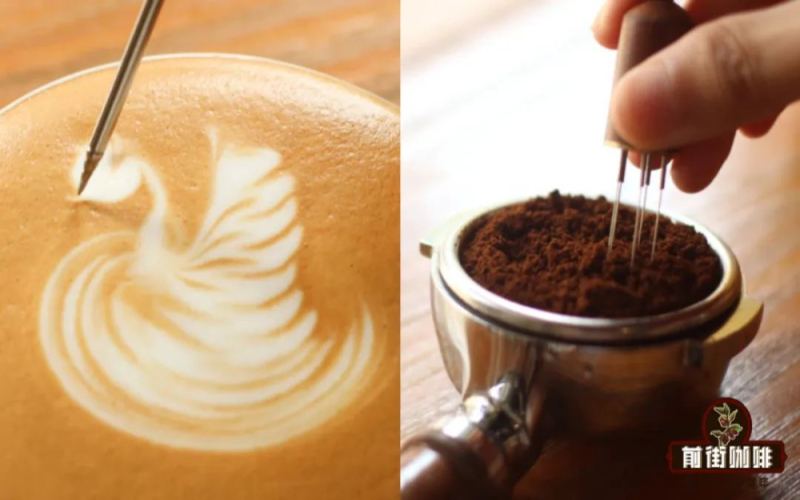
On the journey to pursue a good cup of coffee, besides high-quality beans and skilled technique, some seemingly inconspicuous auxiliary gadgets often play a finishing touch. Front Street Coffee has previously introduced sharp tools such as latte art needles and WDT needles. Today, continuing with the theme of coffee auxiliary tools, we will review the uses and methods of the secondary dispersion screen, Paragon ice ball, Lily Drip, dosing funnel, extraction observation mirror, and a silencing air blower. These tools help coffee enthusiasts and professionals complete brewing more calmly from the perspectives of even extraction, locking in aroma, improving puck distribution, enhancing operating cleanliness, making it easier to observe extraction status, and reducing noise. Whether you are a beginner just starting out or an advanced player pursuing details, you can find a practical solution that suits you. [more…]

Espresso Tasting Guide: From Crema Observation to Palate Experience and Blend Selection
Espresso is renowned as the "soul of coffee." It is both the ultimate expression of concentrated flavor and the litmus test for coffee bean quality and a barista's skill. Many people are put off by its intense taste when they first encounter espresso, but once they get used to it, they often find themselves drawn in by its unique charm. This article, from the perspective of Front Street Coffee, will systematically introduce the espresso tasting process: from observing the state of the golden Crema, to smelling the aroma, observing the color, and tasting it on the palate, extending to different ways of drinking it with water or milk. At the same time, the article will analyze the recipe concepts behind Front Street Coffee's two espresso beans—the specialty blend and the commercial blend—covering the characteristics of the Colombia Huila and Brazil Cerrado producing regions, as well as the role of Robusta beans in crema and flavor, helping readers gain a more comprehensive understanding of what makes a good espresso. [more…]
Comparison of Bottomless and Spouted Portafilters for Espresso: Pros, Cons, and a Front Street Coffee Extraction Demo
The portafilter is an indispensable accessory for semi-automatic espresso machines. Among the common types available on the market, the bottomed spouted portafilter and the bottomless straight-exit portafilter each have their own characteristics. Front Street's stores have long used bottomless portafilters. This article will start from the structural differences and a comparison of advantages and disadvantages, and provide an in-depth analysis of how the two types of portafilters differ in extraction observation and operational convenience. It will also include a practical demonstration of bottomless portafilter extraction using Front Street's classic blend coffee beans, helping coffee enthusiasts understand the espresso extraction process and quality assessment more intuitively. [more…]
Judging Espresso Extraction by Color Observation: Is It Reliable? Tips for Identifying Under-Extraction and Over-Extraction
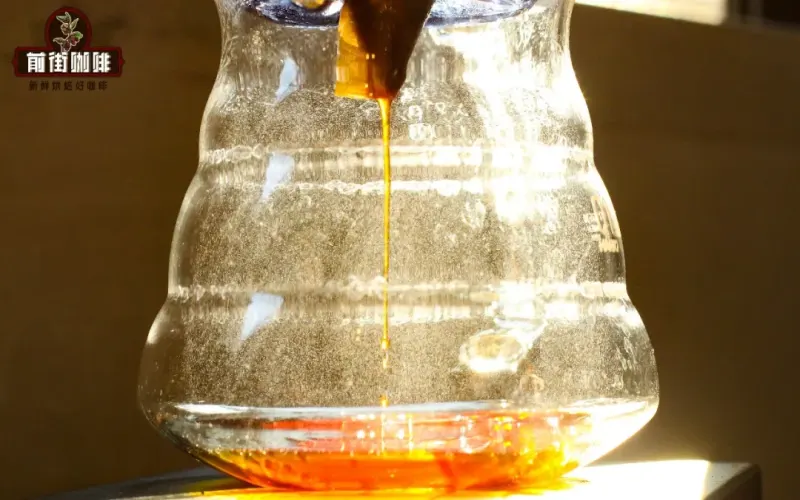
During coffee extraction, many enthusiasts try to judge the extraction state by observing changes in the color of the coffee liquid—the so-called "reading the color" method. Does this method have any scientific basis? Can it accurately distinguish between under-extraction and over-extraction? Front Street Coffee, based on practical testing, found that the color of the coffee liquid does indeed become lighter as extraction progresses, because the acidic and sweet substances among the solubles have smaller molecules and dissolve more quickly, while the bitter substances have larger molecules and dissolve more slowly. Once the acidic and sweet substances have largely dissolved, the bitter substances are still being released, and the coffee liquid begins to take on a whitish hue, which is usually regarded as a signal of approaching over-extraction. However, this method is greatly affected by factors such as flow rate and roast level, and is only suitable as an emergency reference; stable output still needs to rely on measuring tools such as an electronic scale. [more…]
A Practical Guide to Bottomless Portafilters for Espresso Machines: Structure, Principles, Pros and Cons, and a Front Street Coffee Extraction Demonstration
For users of semi-automatic espresso machines, the portafilter is an indispensable accessory in daily operation. Portafilters on the market broadly fall into two types: the bottomed portafilter, which is closed at the bottom and fitted with spouts, and the bottomless portafilter, which is completely open and allows direct observation of the bottom of the filter basket. Front Street Coffee's stores currently use the latter. The two types have their own strengths and weaknesses in extraction performance. This article will start from the structural differences, sort out in detail the respective advantages and disadvantages of bottomed and bottomless portafilters, and, using Front Street Coffee's classic blend coffee beans, give a complete demonstration of the operating procedure and parameter settings for extracting espresso with a bottomless portafilter, helping coffee enthusiasts more intuitively understand the practical value of the bottomless portafilter in observing flow rate, judging channeling, and adjusting extraction plans. [more…]
How to judge and adjust espresso extraction parameters? An analysis of the causes of channeling and uneven extraction
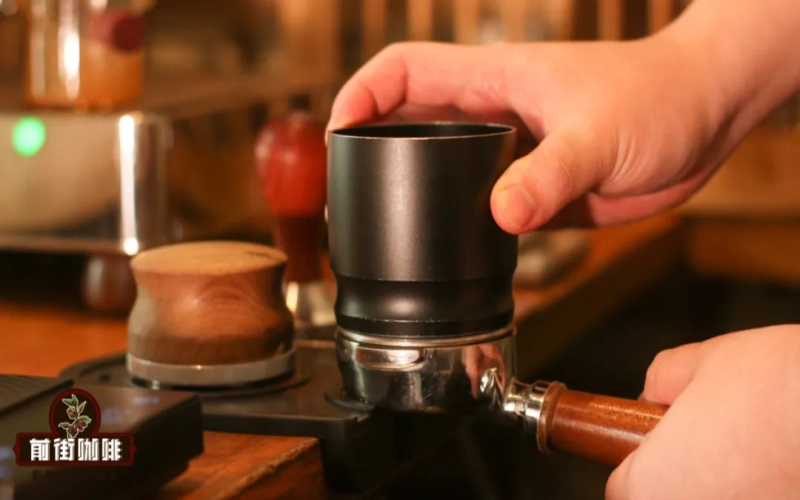
Many friends who are just getting into espresso often wonder: when exactly should you adjust extraction parameters, and how should you adjust them? In fact, judging whether a shot of espresso is normal cannot rely only on numbers like dose, yield, and time—it also requires evaluating the flow condition and final taste together. Drawing on Front Street's hands-on experience, this article explains that parameters fluctuate every day due to factors such as weather and bean condition, and uses the specific case of Front Street's classic blend to explain how to judge under-extraction or over-extraction by observing flow speed, the stability of the liquid stream, and tasting acidity and bitterness, while also giving the corresponding adjustment directions, including fine-tuning the dose, yield, or grind size. [more…]

How can you tell if coffee beans are fresh? Practical observation methods from bloom puffing, crema thickness to flow rate and aroma
Whether coffee beans are fresh can actually be judged by many clues during the brewing process. Roasted coffee beans accumulate carbon dioxide, which gradually escapes over time, and the amount of carbon dioxide directly affects the blooming puff, the thickness of espresso crema, the water retention of the coffee bed and the flow rate, and also leaves traces in the aroma performance. From the perspective of Front Street, this article sorts out three practical methods for judging the freshness of coffee beans, explains the influence of factors such as roast level and variety on crema, and recommends Front Street Classic Blend, an espresso bean with rich crema and a fragrant flavor, to help you judge and choose more reliably. [more…]
Espresso Tasting Guide: A Complete Method from Crema Observation to Proper Drinking
Espresso is hailed as the soul of coffee; its rich, intense flavor makes it both fascinating and intimidating to first-time tasters. A good cup of espresso—from the presentation of golden crema to the layered flavors on the palate—tests both the quality of the coffee beans and the skill of the barista. Front Street Coffee will guide you through a comprehensive understanding of espresso tasting methods, including the three steps of smelling the aroma, observing the crema, and tasting, as well as different ways to drink it, such as drinking it straight or blending it with milk. At the same time, we'll take an in-depth look at Front Street's approach to bean selection for its espresso specialty blends and commercial blends—from Colombia Huila to Brazil Cerrado, and on to the use of Robusta varieties—to help you find the Italian-style coffee beans suitable for making espresso. [more…]

Judging whether espresso extraction is normal from the flow, and which details to check before extraction
While the quality of espresso must ultimately be judged by taste, the visual signals during extraction can also reveal many problems in advance. By learning to observe the operating state of the espresso machine and how the coffee liquid flows out, you can screen out a good portion of substandard shots before they ever reach your lips. This article starts with the pre-extraction equipment check, then uses the actual flow of the shot as a thread, explaining one by one the timing milestones of a normal extraction, the changes in color and flow rate, and the causes and remedies for abnormalities such as delayed flow and erratic flow rate, helping you pinpoint problems faster in your daily routine. [more…]
Recommend a few coffee beans suitable for espresso extraction: balancing budget and drinking frequency
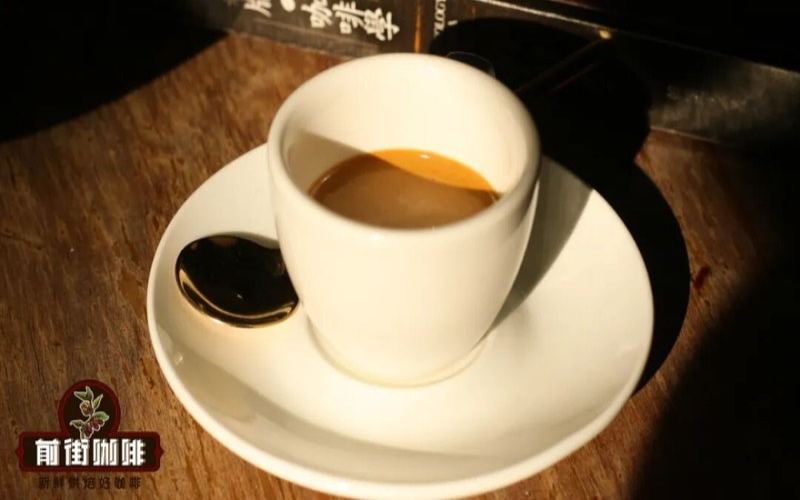
From bean to cup, a coffee must still go through grinding and extraction. When choosing coffee beans suited for espresso extraction, your daily buying decisions should take into account how quickly you'll drink them, how much to buy at a time, and whether your household mainly makes black coffee or milk-based coffee. First confirm your usual equipment and preferred taste, then compare specific bean options—the actual process will be smoother that way. [more…]
The Complete Espresso Extraction Process: Eight Key Details from Grinding to Serving That You Can't Overlook
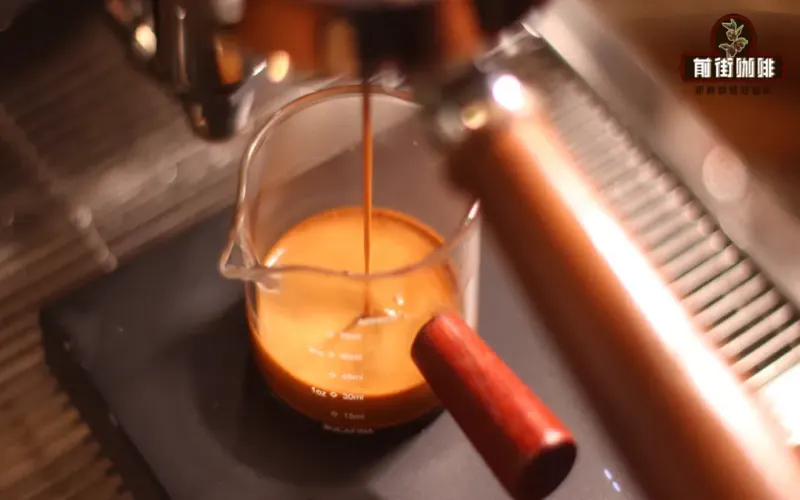
An espresso from grinding to extraction often takes less than a minute; it seems simple, but in fact it hides quite a few subtleties. Many enthusiasts finally find an ideal set of extraction parameters during their morning dial-in, only to overlook details in subsequent operations, resulting in inconsistent output and a greatly diminished flavor. This article follows the actual order of operations and goes through, one by one, the easily overlooked points in eight stages: puck pressure, portafilter basket cleaning, observing the grounds condition, distribution and tamping, pre-flushing, knocking the portafilter, extraction timing, and cleanup afterward, helping everyone consistently get full-flavored, parameter-stable espresso on a home espresso machine. [more…]
The Complete Espresso Extraction Process: Espresso Grinder Cleaning and Analysis of Eight Key Details
An espresso, from grinding to extraction, often takes less than a minute. It seems simple, but in reality it hides many variables that affect flavor. At Front Street, we repeatedly emphasize in our daily preparation that even if a perfect set of extraction parameters has been locked in during morning calibration, the final cup can still be greatly compromised if any operational step is slightly neglected. This article focuses on the complete process of making espresso with an espresso machine, sorting out one by one eight easily overlooked details—from hopper pressure, portafilter basket cleaning, and observing the grounds output, to distribution and tamping, pre-flushing, knocking the portafilter, extraction timing, and post-use cleaning—to help coffee lovers achieve consistent results and continually obtain the ideal espresso flavor. [more…]
Espresso Bottomless Portafilter | What's the Difference Between a Spouted and Bottomless Portafilter on an Espresso Machine? Which Coffee Portafilter Is Suitable for Coffee Beginners?
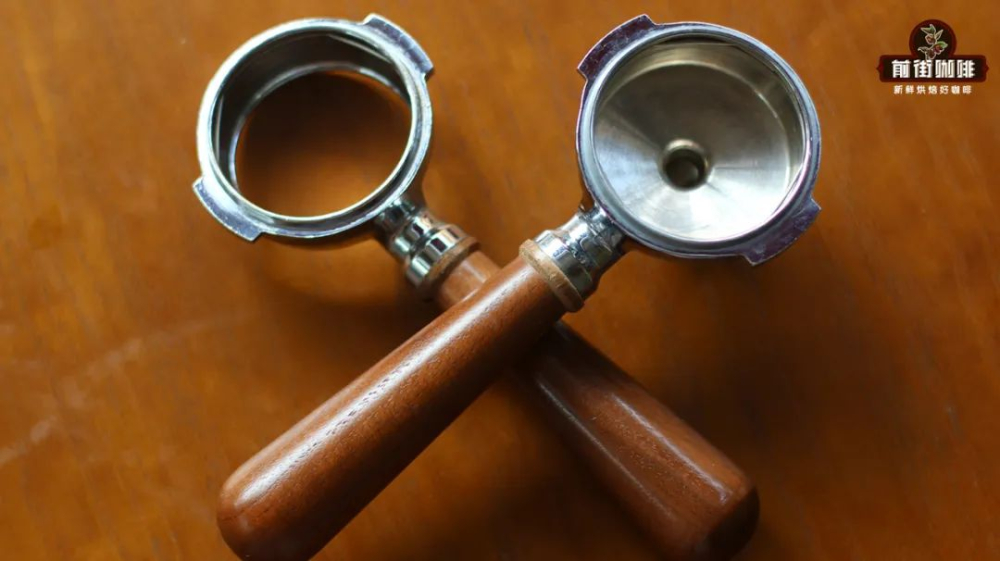
For more specialty coffee knowledge, please follow our WeChat official account: Front Street Coffee (FrontStreet Coffee). The coffee extraction portafilter is an important tool for semi-automatic espresso machines. There are mainly two types of coffee portafilters: the first is the bottomed split portafilter, and the second is the bottomless straight-out portafilter. [more…]
Espresso Tasting Guide: A Complete Analysis from Crema to the Correct Way to Drink It
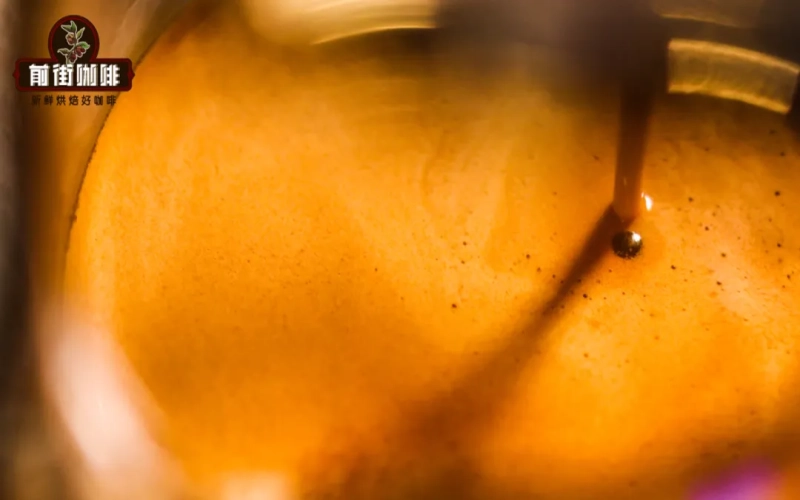
Espresso has long been hailed as the "soul of coffee," winning over countless coffee lovers with its rich, intense flavor, while also serving as an important standard for judging coffee quality and barista skill. A good cup of espresso—from the extraction parameters to the golden crema on its surface, and on to every step of smelling the aroma, observing the color, and tasting—hides details worth exploring. Front Street Coffee will guide you through a comprehensive understanding of the key points of making espresso, the principles behind the formation of crema, and how to appreciate a shot of espresso through the three steps of smelling, observing, and drinking, so that you can truly grasp the rich charm contained in this tiny cup of coffee. [more…]

What boundaries should you observe when visiting a coffee shop? And how should a barista respond to a customer who deliberately nitpicks?
As more people become interested in specialty coffee, a new phenomenon has emerged in cafés: some customers, armed with scattered knowledge picked up from training classes or books, observe the barista's every move throughout the process and even offer pointers on the spot, leaving many café owners on edge. Compared with the old days of rival cafés coming to challenge them, this enthusiast-style nitpicking is actually more of a headache. Drawing on several real accounts, this article discusses what to keep in mind when visiting a café, what baristas should do when they encounter someone intent on challenging them, and how to give feedback on a cup of coffee that doesn't live up to expectations in a way that is both sincere and appropriately measured. [more…]
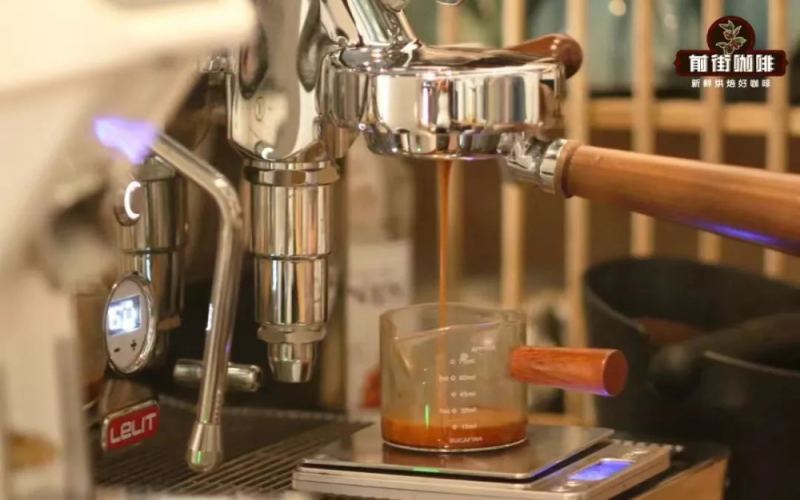
A Comprehensive Analysis of Espresso Extraction Standards and Parameter Adjustment: A Practical Guide from Grind Ratio to Flavor Calibration
In making espresso, data parameters are always just reference coordinates, not formulas that must be copied exactly. This article centers on the essence of extraction standards, offering an in-depth analysis of the dynamic balance among dose, grind size, and yield, and drawing on Front Street Coffee's daily hands-on experience to systematically sort out how to judge whether extraction is normal by observing the flow and tasting the flavor, and how to make targeted fine adjustments to the parameters. At the same time, the article also explores the differences in extraction strategies for the base of lattes versus Americanos, helping you truly understand the logic of extraction rather than mechanically replicating numbers. [more…]
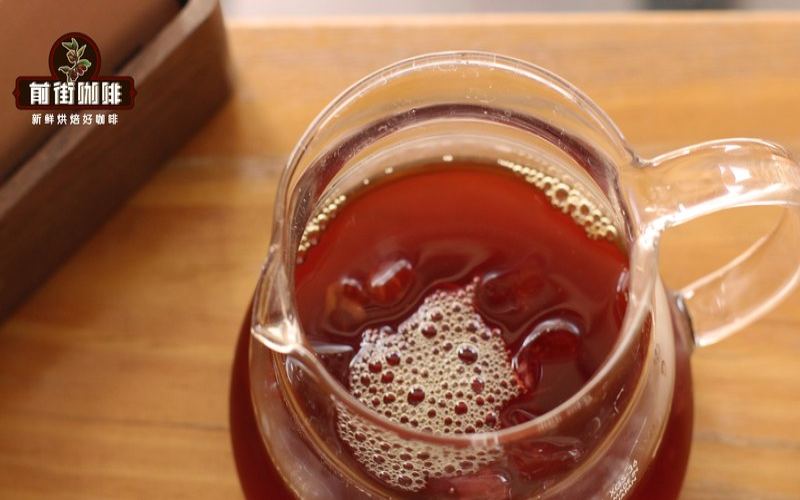
A Few Recommended Specialty Espresso Coffee Beans: Balancing Budget and Drinking Frequency
Specialty coffee beans for espresso are best judged by gradually building up your tasting experience. When buying beans for daily use, you need to consider how quickly you'll drink them, how much to buy at once, and whether you mainly make black coffee or milk coffee at home. The flavor words on the packaging can offer clues, but they can't replace the actual drinking experience—whether the acidity is mellow, whether the sweetness lingers, whether the mouthfeel is [more…]
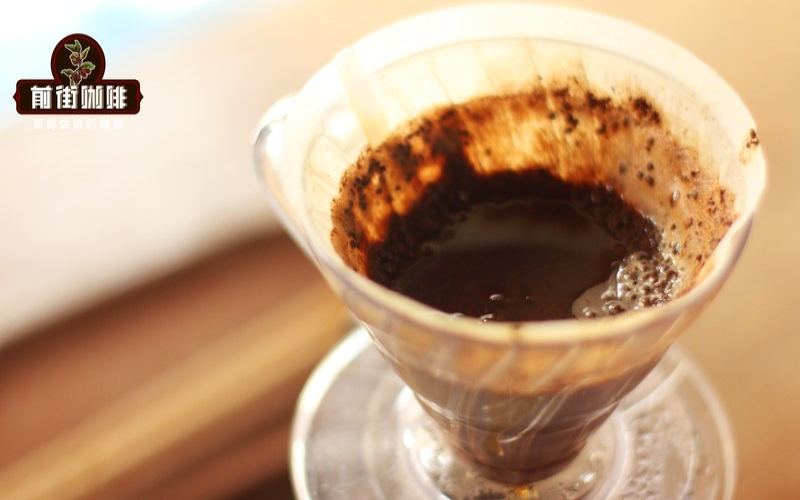
Identifying Authentic Yirgacheffe Coffee Beans by Roast Level
Yirgacheffe is not a fixed roast flavor, but the name of a representative production area in Ethiopia's Sidama region. A bean bag with real reference value will usually go on to specify the particular production area, processing method, variety, or lot information. When judging, you can first observe the roast level, then cross-check the flavors in the cup against the clues on the label. [more…]
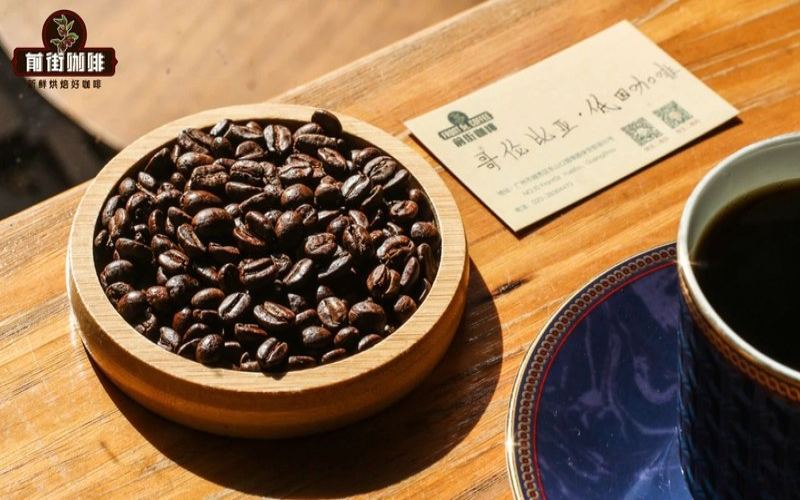
Medium-light roasted Yirgacheffe coffee bean recommendations: balancing budget and drinking frequency
When choosing a medium-light roast Yirgacheffe coffee bean, you can set aside the complex information for now. For everyday bean buying, consider how quickly you'll drink it, how much to buy at once, and whether you mainly make black coffee or milk coffee at home. Start with the two pairs of differences—light vs. full-bodied, and black coffee vs. milk coffee—then look at the roast date and processing method, and your judgment will be more grounded. [more…]